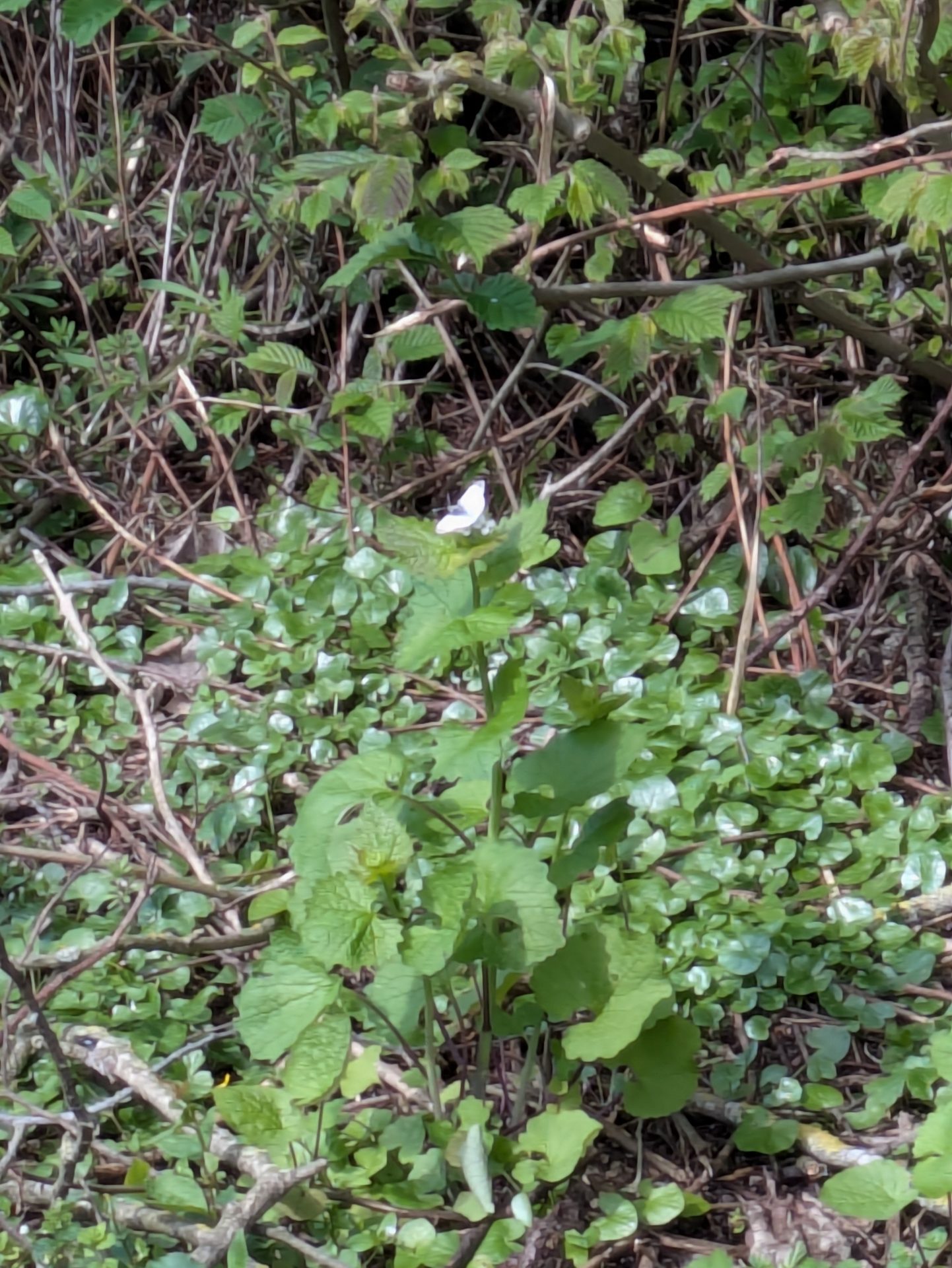
The Orange tip butterfly is a common species across Britain. It is a very distinct species of a medium size with white wings that have orange tips to them for a male and white wings with black wingtips for a female. Both male and female orange tip butterflies have a camouflaging green mottled underwing. Have watched one of these females for several minutes in an attempt to get a decent picture, I can vouch for how effective this ability to hide is. The butterfly in question, having realised I intended to gain photographic evidence of it, instantly froze on it’s leaf, shutting it wings. After several minutes I doubted the critter was even still there despite knowing for a fact that it was!
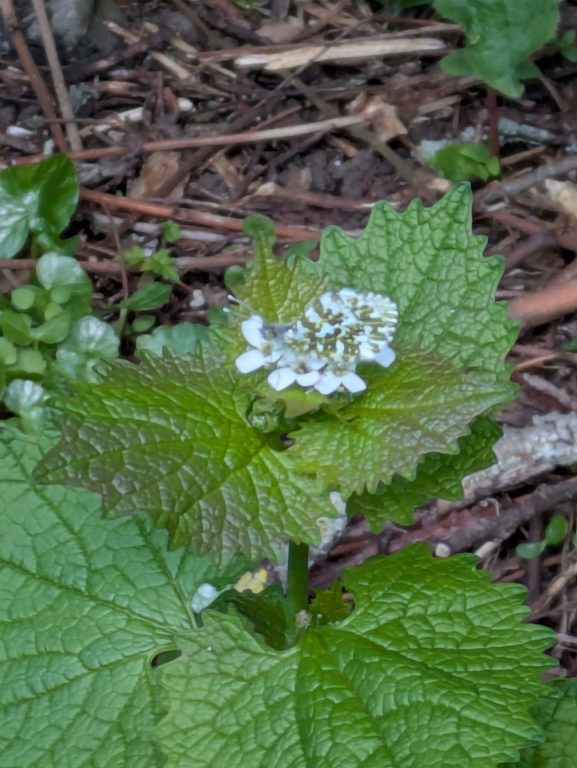
Orange tip butterflies prefer a damp habitat such as hedges, meadows, glades within woodlands and river banks. They can be seen across all countries of the UK and are a species of Least Concern on the the conservation Red List. In terms of reproduction, Orange tip caterpillars love to eat cuckooflower, hedge mustard and garlic mustard plants so look out for these if you fancy seeing these beautiful butterflies.
The life cycle of these butterflies is remarkably interesting. The males tend to emerge first in the Spring time and females will follow in around April. By May, the female is looking for a suitable plant to lay her egg, or occasionally eggs. She does this by testing a particular plant’s nutrition levels with her feet. Once a suitable host species has been found, she will lay her egg. After two weeks, the eggs will hatch into larvae. They will spend the next three to fours weeks eating as much as possible before moving to a new area to pupate.
Britain’s butterflies are wide and varied. Some are of greater concern than others in terms of population numbers. This is often due to loss of habitat. If you would like to attract more butterflies to you garden, make sure you have a variety of plants that attract a range of these beautiful creatures. Leave them to grow through spring and summer to allow for development and growth and see which species you can find.
If you would like to help research for all UK butterflies, why not visit the gardenbutterflysurvey.org website. Here you can survey your garden year round and help to provide statistics on populations which can then be used to help butterfly conservation. Have a go and see what you can see and what help your sightings might provide.
Fun Fact: Orange tip caterpillars will eat each other to remove competition for a food plant. This is why eggs are generally only laid in singles or occasionally small numbers.
Accessible Modal Dialog
To close click a button, Escape, or outside this dialog.