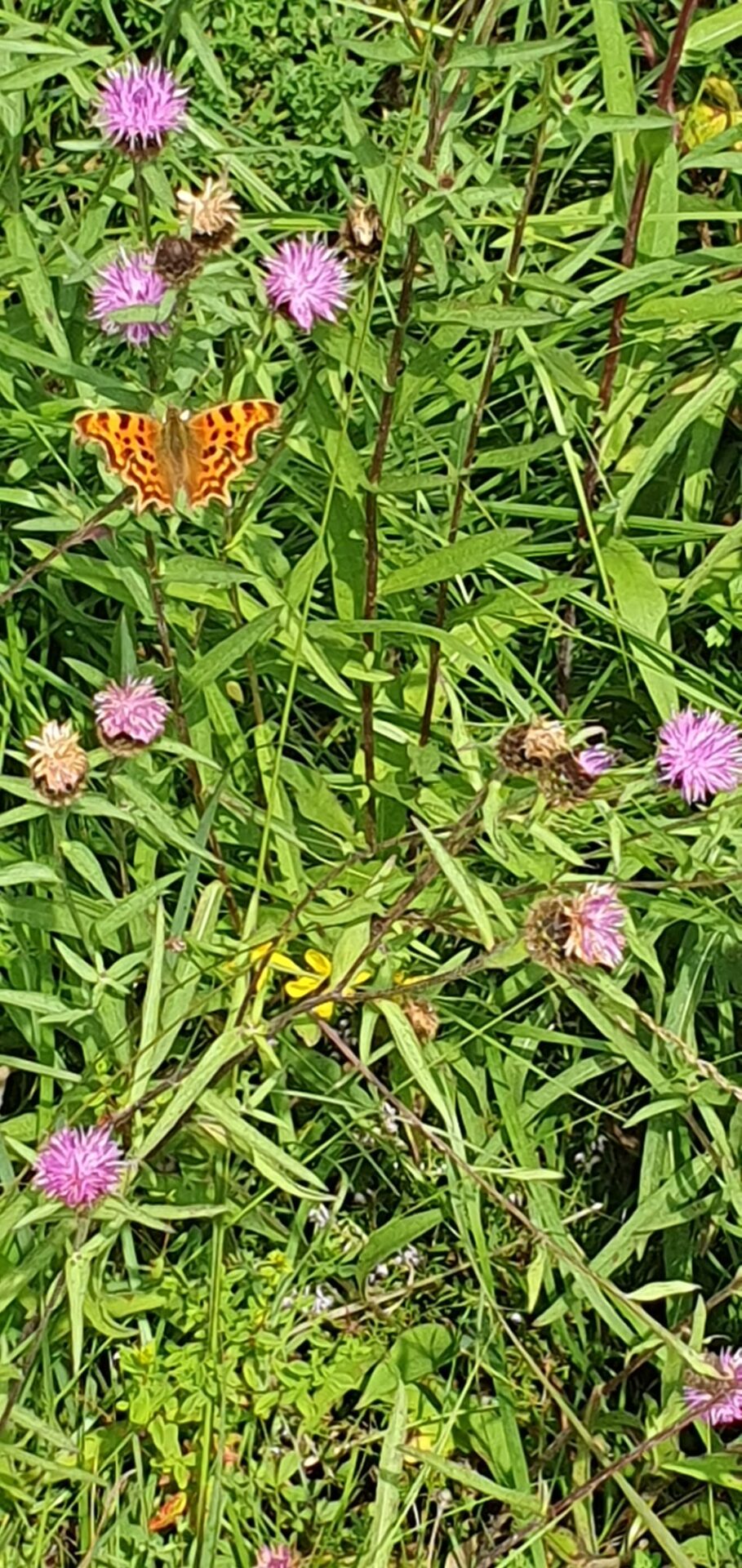
We’ve made it to the warmer, lighter days. The flowers are out in their full bloom demonstrating their patchwork of colours to the world. Trees are in full leaf and birds are finishing off their breeding season while others are preparing for a second breeding season. Insects are in full flow, pollinating plants and it seems like there are butterflies everywhere.
The higher temperatures and longer hours of daylight cheer everyone up and nature is putting on a show of a lifetime. It’s the season where everyone feels better! Winter is long behind us and it’s a time to enjoy the world we have been given to live in. The full canvas of tones and shades is there for all to enjoy.
One of the most amazing habitats that is starting to come into full flourish is the rare but stunning hay meadow. Full of rich and beautiful wildflowers and grasses they are a sight to behold. Buzzing with insects going about their daily life they are a real centre for activity. In recent times we have realised that Yellow Rattle is a great asset to these habitats. A natural at keeping grasses from overwhelming the habitat, this amazing plant allows for the glorious tapestry of diverse wildflowers to take hold. Examples of such species include bird’s foot trefoil, meadow vetchling, Yorkshire Fog, common bent-grass and sweet vernal-grass. The best time to see them in full technicolour is between June and August just before they are cut. Feel mesmerised by the flowing movement of the plants as the breeze drifts through the field and watch as the colours filter into each other.
Food is generally abundant at this time of year and birds and mammals alike enjoy the richness of nature’s bounty. However if a dry spell occurs it helps them to keep bird baths and ponds full so they can drink and wash. Many keen gardeners use their time to remove weeds from their gardens but a weed is only a weed if you don’t want it where it is. A weed is still a plant and can still provide food and breeding sites for many creatures. Nettles are a prime breeding habitat for comma and red admiral butterflies as well as a number of moth species. Other regarded weeds such as ragwort is a favoured site for Cinnabar Moths. These black and yellow caterpillars absolutely love this plant! Just because you don’t think much to a plant, think about it’s value from a wildlife perspective-maybe you could leave one or two and see what arrives in your garden.
No Mow May is a common initiative which is great news for invertebrates in your lawn. By leaving your grass to grow longer, you can allow insects to breed and look after your garden for you. Lawns are often full of far more fauna and flora that might be expected. Even a small patch of grass can make a big difference. These insects work in ways which will optimise growth of biodiversity within any area. If you have a variety of habitats in your garden such as a pond as well as grass you will increase even further the number of species that can live there so keep a look out for them.
Summer is a time to enjoy the world around us. Be inspired by the environment and the wildlife. Watch Mayflies dance above water courses, see fledglings take their first flight into the world, watch as the colours of the plants around you bloom and open up bringing life and colour to the habitat. Whether you have your own space or just enjoy the space of the area where you live, I wish you all a very happy summer time with great appreciation for the display of vibrancy that surrounds you wherever you are.
Accessible Modal Dialog
To close click a button, Escape, or outside this dialog.